Performant, Parallelizable, Framework Agnostic Node.js Integration Testing
Ethan Arrowood · Node.js Interactive @ Render ATL 2026
Testing is hard
"It works on my machine."
"That test's just flaky, re-run it."
"You can't run those locally."
"It only runs in CI."
"Don't touch it! It's finally green."
What am I testing?
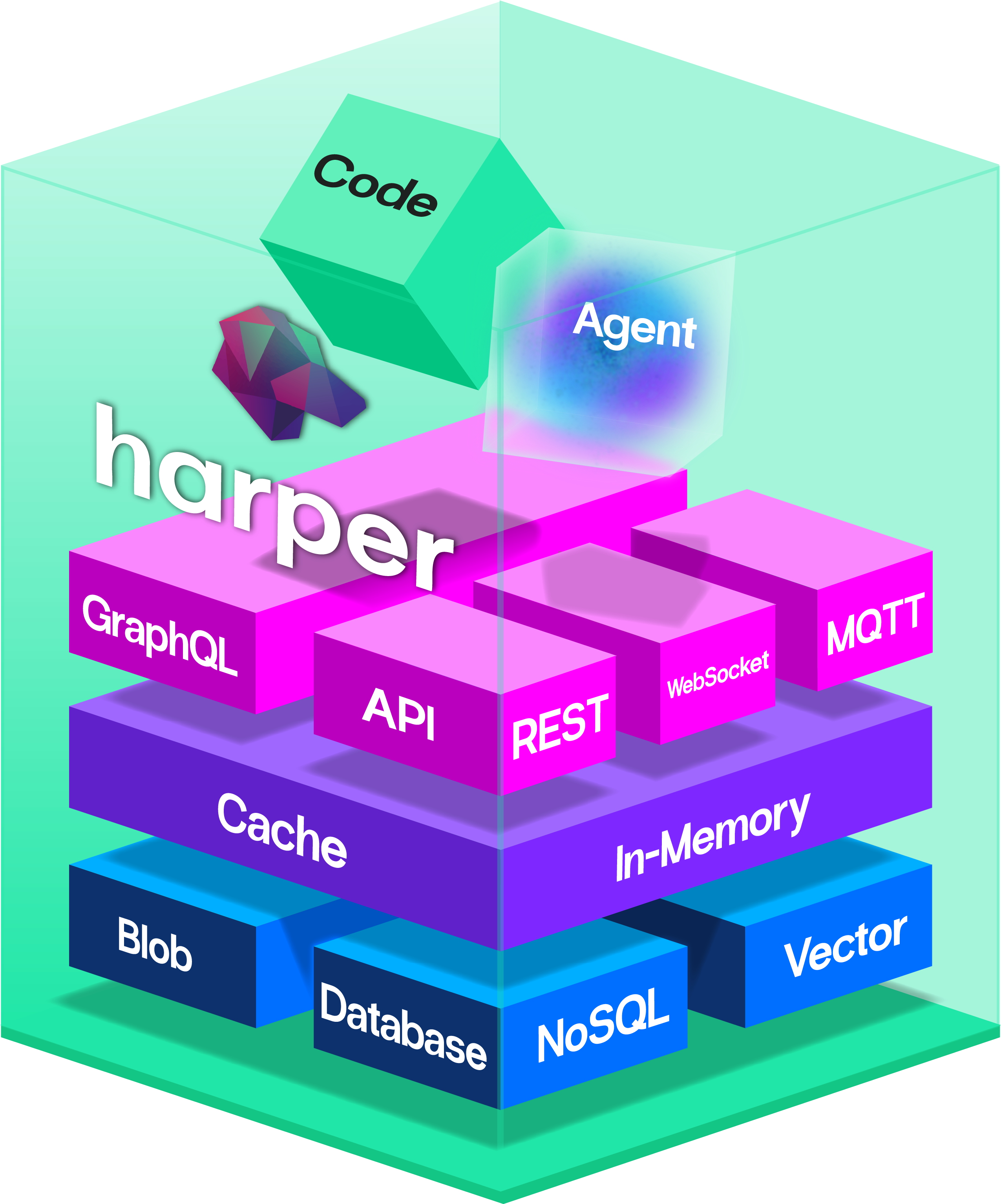
github.com/HarperFast/harper (Apache 2.0)
Define "integration"
Unit
A single unit of code; everything else mocked/stubbed.
too littleIntegration
The complete application. No hooking into internals.
just rightEnd-to-end
The full production stack. Like end users experience.
too much
Application is a black box
- Requests & operations
- Config, env, CLI flags
- stdin & signals
- Responses & status
- Logs, stdout/stderr
- Files & exit codes
No mocking, no stubbing, no reaching inside. Assert on behavior, never on implementation.
Application = Process
Integration testing an application means managing the lifecycle of the application process
- Start it
- Wait for it to be ready
- Restart it
- Send signals to it
- Write to stdin
- Stream and read stdout and stderr
- Read and process log files
- Monitor crashes
- Stop it
- Clean up
Harper is an application platform
Harper can run all sorts of applications
- Web apps: Vite, React, Astro
- Backend APIs: REST, MQTT, GraphQL, MCP
- Data stores: Blob, LMDB, RocksDB
- Multi-instance replication
- GPU access for LLMs
How do we…
isolate each test in its own process?
make the suite run everywhere?
test every kind of application?
do it all performantly?
Early decision: use node:test test runner API
- One less dependency to manage
- Simple concurrency model to architect around
- Dogfood the new API
- Still planning to build agnostic API to work with other runners
When running multiple complex processes
how much parallelism is actually possible?
Measuring instead of guessing
node:test "concurrency" is overloaded
Test runner concurrency = file-level process parallelism
node --test \
  --test-concurrency=5 \
  "*.test.js"
Test suite concurrency = in-process async concurrency
suite('x', { concurrency: true }, () => {
  test('a', async () => { … });
  test('b', async () => { … });
});
Node's default concurrency is built for cheap tests
node --test --test-concurrencyos.availableParallelism() // 12 on my laptopIf each test process spawns an application process, we realistically only have half the available parallelism.
But computers are really good at doing multiple things at once.
The experiment
- 20 generated test files, each starting an application process
- Work per file randomized within a mode:
- 0-100 MB file I/O
- 0-3 processes
- 0-4 worker threads
- Concurrency 1 → 12 (sequential to max parallelism)
- 25 samples per level, on a normal developer laptop
https://github.com/ethan-arrowood/node-test-runner-parallelization-analysis
The gain plateaus, then reverses
Total median suite duration (shorter is faster)
All the data
20 test files · 25 samples per level · concurrency 1–12 · duration in ms
| Concurrency | Median | Std dev | p95 | Worst run |
|---|---|---|---|---|
| 1 | 9,939 | 363 | 10,607 | 10,885 |
| 2 | 5,776 | 307 | 6,164 | 6,876 |
| 3 | 4,582 | 365 | 5,252 | 5,729 |
| 4 | 3,904 | 368 | 4,648 | 5,238 |
| 5 | 3,759 | 332 | 4,264 | 4,739 |
| 6 | 3,597 | 459 | 4,751 | 4,874 |
| 7 | 3,468 | 294 | 3,990 | 4,520 |
| 8 | 3,671 | 472 | 4,575 | 5,106 |
| 9 | 3,601 | 473 | 4,804 | 5,177 |
| 10 | 3,534 | 654 | 5,339 | 5,466 |
| 11 | 3,724 | 690 | 5,096 | 5,717 |
| 12 | 3,952 | 488 | 4,792 | 5,055 |
The median flattens after 7. The real story is in the tail — std dev, p95, worst run.
Past the plateau, variance more than doubles
| Concurrency | Median | Std dev | p95 | Worst run |
|---|---|---|---|---|
| 1 | 9,939 | 363 | 10,607 | 10,885 |
| 2 | 5,776 | 307 | 6,164 | 6,876 |
| 3 | 4,582 | 365 | 5,252 | 5,729 |
| 4 | 3,904 | 368 | 4,648 | 5,238 |
| 5 | 3,759 | 332 | 4,264 | 4,739 |
| 6 | 3,597 | 459 | 4,751 | 4,874 |
| 7 | 3,468 | 294 | 3,990 | 4,520 |
| 8 | 3,671 | 472 | 4,575 | 5,106 |
| 9 | 3,601 | 473 | 4,804 | 5,177 |
| 10 | 3,534 | 654 | 5,339 | 5,466 |
| 11 | 3,724 | 690 | 5,096 | 5,717 |
| 12 | 3,952 | 488 | 4,792 | 5,055 |
Std dev jumps from 294 at the optimum to 654 and 690 just past it
The run-to-run spread more than doubles.
The real developer experience is in the tail
| Concurrency | Median | Std dev | p95 | Worst run |
|---|---|---|---|---|
| 1 | 9,939 | 363 | 10,607 | 10,885 |
| 2 | 5,776 | 307 | 6,164 | 6,876 |
| 3 | 4,582 | 365 | 5,252 | 5,729 |
| 4 | 3,904 | 368 | 4,648 | 5,238 |
| 5 | 3,759 | 332 | 4,264 | 4,739 |
| 6 | 3,597 | 459 | 4,751 | 4,874 |
| 7 | 3,468 | 294 | 3,990 | 4,520 |
| 8 | 3,671 | 472 | 4,575 | 5,106 |
| 9 | 3,601 | 473 | 4,804 | 5,177 |
| 10 | 3,534 | 654 | 5,339 | 5,466 |
| 11 | 3,724 | 690 | 5,096 | 5,717 |
| 12 | 3,952 | 488 | 4,792 | 5,055 |
p95 at concurrency 10 (5,339) is worse than a typical run at 4 (3,904)
2.5× the processes for worse overall performance.
Calculated default
When each test spawns its own application process, the ideal
concurrency is
half the available parallelism, plus one
concurrency = floor(availableParallelism / 2) + 1
            = floor(12 / 2) + 1
            = 7   // the measured optimum
This might not be perfect, but its a better starting point than max parallelism, and remains configurable
2. Networking contention
Everything wants port 9925
Dynamic ports would mean core changes
The easy fix: let the OS hand out a free port.
server.listen(0, () => {
  const { port } = server.address();   // the OS picked a free one
});
But two problems:
- The app has to report back which ports it received
- Harper currently requires ports to be configured
How can we solve this without modifying core?
Not a real fix: get-port
// what get-port does, roughly:
async function getPort() {
  const server = net.createServer();
  await listen(server, 0);          // OS assigns a free port
  const { port } = server.address();
  await close(server);              // ← the port is released here
  return port;
}

const port = await getPort();
const harper = await createHarper(port);   // ← nothing reserved it in between
Between the release and the reuse, the OS can hand that port to any other process — especially with many test processes racing at once.
If we can't reliably reserve the ports…
what about the address?
Introducing loopback addresses
All of 127.0.0.0/8 (127.0.0.1 through
127.255.255.255) loops back to localhost
// every instance keeps its default ports
test/application 1 → http://127.0.0.2:9925
test/application 2 → http://127.0.0.3:9925
test/application 3 → http://127.0.0.4:9925- Every instance can use port 9925 without conflict
- Isolation is by address
One caveat: only Linux enables by default
| Platform | 127.0.0.1 | 127.0.0.2-127.255.255.255 |
|---|---|---|
| Linux (Ubuntu) | Enabled by default | Enabled by default |
| macOS | Enabled by default | Must be added per address |
| Windows | Enabled by default | Must be added per address |
# macOS: register each address as a loopback alias (once per machine)
sudo ifconfig lo0 alias 127.0.0.2 up
sudo ifconfig lo0 alias 127.0.0.3 up
How do we manage which process gets which address?
Loopback Address Pool: JSON file with an array of PIDs, shared by every test process.
[42, 43, null, 45, null, null]index 0 → 127.0.0.2 (PID 42) · index 1 → 127.0.0.3 (PID 43) · …
- Index is the address; value is the owning process ID
- First-available allocation; released on teardown
Cross-process mutex to avoid conflicts
// 'wx' fails if the file already exists — atomically
const handle = await open(LOCK_PATH, 'wx');
await handle.close();   // we hold the lock
One of many options (daemon, orchestrator, atomics).
File lock was simplest. Plus a stale-lock timeout for crashed processes.
Crashed tests would leak addresses forever
// signal 0 checks liveness without signalling
try {
  process.kill(pid, 0);       // alive — leave it allocated
} catch {
  loopbackPool[index] = null;  // dead — reclaim it
}
A Ctrl+C mid-run doesn't break the pool
Allocated is not the same as usable
// bind to port 0 just to prove the address exists
server.listen(0, loopbackAddress, () => {
  server.close(() => resolve(loopbackAddress));
});
1. Verify the whole pool at startup (ensure setup script was run)
2. Verify again per allocation to avoid collisions
Still not immune to race condition with another app, but loopback allocation collides far less often than dynamic ports.
The API is shaping up
// ctx is a general options object

await startHarper(ctx);
// 1. allocate a loopback address from the pool
// 2. create a temporary install directory
// 3. spawn Harper, wait until it is actually ready
// 4. populate ctx.harper

ctx.harper.httpURL            // 'http://127.0.0.3:9926'
ctx.harper.operationsAPIURL   // 'http://127.0.0.3:9925'
ctx.harper.rootpath           // '/var/folders/js/abc123_def456/T/harper-test-789'

await teardownHarper(ctx);    // kill, release the address, remove the directory
3. Framework agnostic
The API imports nothing from a test runner
startHarper(ctx, options?)
setupHarperWithFixture(ctx, fixturePath, options?)
killHarper(ctx)
teardownHarper(ctx)
createHarperContext(name?)   // for non-node:test frameworks
ctx is any object with an optional
name and a harper property to write to.
Deliberately loose, so a node:test
context and a plain object both satisfy it.
Keep it flexible
// src/run.ts, line 1:
// Important! This script should not be required
// to execute integration tests.
https://github.com/HarperFast/integration-testing/blob/main/src/run.ts
The convenience runner (configures a smarter concurrency default) holds no state.
Every test file still runs under plain node --test, and parallelization still works.
Two runners, same lifecycle
node:test - file per process
suite('install', (ctx: ContextWithHarper) => {
  before(async () => {
    await startHarper(ctx);
  });
  after(async () => {
    await teardownHarper(ctx);
  });

  test('serves', async () => {
    const res = await fetch(ctx.harper.httpURL);
    strictEqual(res.status, 200);
  });
});
Playwright - worker-scoped fixture
const test = base.extend<
  {}, { harper: HarperContext }
>({
  harper: [makeHarperFixture(name),
           { scope: 'worker' }],
});

test('home page renders',
  async ({ page, harper }) => {
    await page.goto(harper.httpURL);
    await expect(page.locator('h1'))
      .toHaveText('Next.js v16');
  });
Playwright integration
export function makeHarperFixture(fixtureName: string) {
  return async ({}, use) => {
    const ctx = createHarperContext(fixtureName);
    const started = await setupHarperWithFixture(ctx, fixturePath, {
      harperBinPath: getHarperBinPath(),
      startupTimeoutMs: 120_000,   // a Next.js build is slow
    });

    await use(started.harper);

    await teardownHarper(started);
  };
}
https://github.com/HarperFast/nextjs/blob/main/integrationTests/fixtures.ts
Discovering core testing values for high quality tests
- Independent: no dependence on order or shared state
- Hermetic: self-contained, no external side effects
- Deterministic: same input, same output
4. Surviving CI
How do you think a M3 Macbook compares to a default GitHub CI runner?
One default runner can't run all the tests
Parallelize across runners: a matrix that shards the suite.
# .github/workflows/integration-tests.yml
strategy:
  matrix:
    shard: [1, 2, 3, 4]
steps:
  - run: node --test --test-shard=${{ matrix.shard }}/4
--test-shard=1/3 always runs the same group of tests, on any machine
https://github.com/HarperFast/harper/blob/main/.github/workflows/integration-tests.yml

Thank you
Ethan Arrowood · Head of Open Source Engineering, Harper · ethanarrowood.com
github.com/HarperFast/integration-testing
github.com/Ethan-Arrowood/node-test-runner-parallelization-analysis
github.com/HarperFast/nextjs

Contribute to Node.js!
Everyone of any coding ability is welcome.
- (Tomorrow) Aug 13 · 2:00–5:00 PM
- Join
renderatl.com/discord→ #nodejs-interactive-code-and-learn - Complete the mandatory prerequisite steps beforehand!